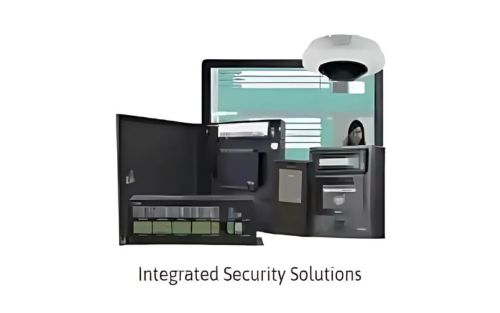
Physical access control systems have evolved from mechanical keys and simple standalone door buzzers into sophisticated Integrated Security Solutions. Today's commercial towers, industrial manufacturing plants, and educational institutions require comprehensive security platforms capable of coordinating multi-door perimeters, elevator shafts, vehicular parking gates, and workforce attendance under unified management software.
Key Strategic Objectives of Access Control Systems
• Granular Clearance Governance: Grants and restricts building entry based on individual credentials, department roles, and defined operating hours.
• Preventing External Security Breaches: Bars unauthorized external visitors from entering sensitive operational areas.
• Independent Multi-Door Time Scheduling: Allows security managers to schedule automatic locking and unlocking schedules per individual door.
• Multi-Factor Authentication (MFA): Combines encrypted smart cards, PIN codes, fingerprints, and AI facial recognition for high-security facilities.
• Operational Cross-Platform Integration: Coordinates with Time Attendance software, automated security guard patrols, and parking barrier boom gates.
Standalone vs. Networked Controller Architectures
1. Standalone Systems: Compact single-door reader units operating independently with on-board relay outputs. Suited for small single-office server rooms where centralized networking is unnecessary.
2. Networked Controller Systems: Multi-door controller panels interconnected via TCP/IP or RS-485 networks to a centralized security server. Administrators manage user databases, revoke lost credentials instantly, and monitor real-time entry logs across thousands of doors simultaneously.
Deploying an integrated access control architecture tightens site security, protects corporate intellectual property, and ensures compliance with statutory safety regulations. Explore TOPPAN EDGE's complete Access Control solutions.
