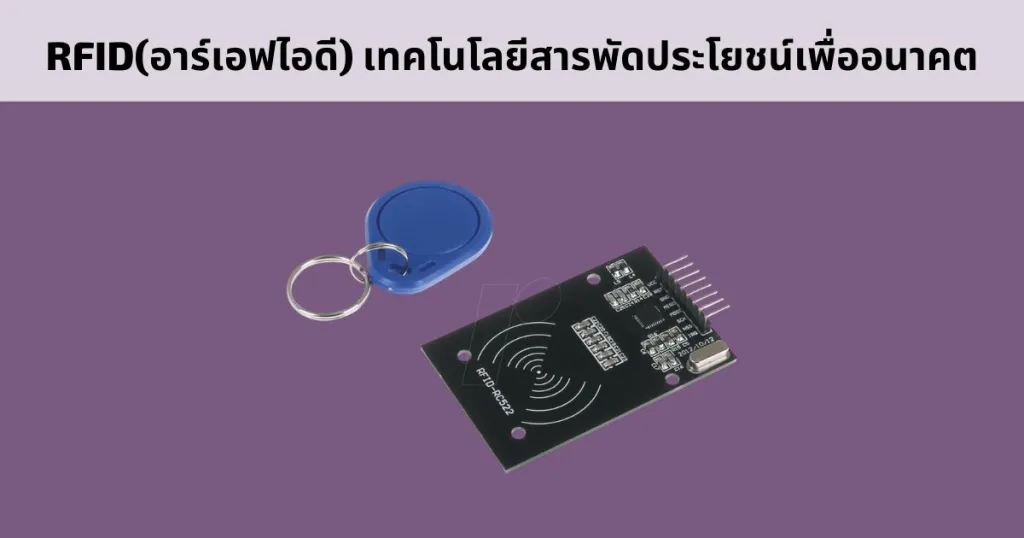
Radio-Frequency Identification (RFID) is an advanced wireless technology designed for automated data capture and object tracking. Operating via electromagnetic waves, an RFID system consists of transponders (tags) and transceivers (readers). Unlike traditional optical barcodes that require direct line-of-sight scanning, RFID readers can communicate with tags wirelessly over distances ranging from centimeters to tens of meters, reading dozens or hundreds of items simultaneously in milliseconds.
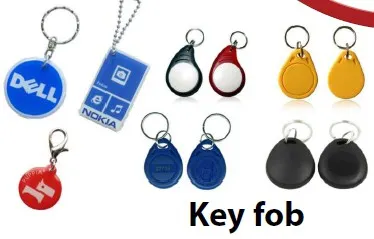
Key Real-World Enterprise Applications of RFID

2. Automated Time Attendance Tracking: Enables swift, tap-and-go shift logging for large workforces during peak clock-in intervals.
3. Vehicle Boom Gates and Parking Automation: Ultra-High Frequency (UHF) windshield tags allow hands-free vehicle entry into condominiums, industrial parks, and commercial parking garages without rolling down windows.
4. Corporate Asset and Inventory Tracking: RFID asset tags attached to laptops, IT hardware, factory tools, and warehouse pallets enable rapid inventory cycle counts and prevent asset loss.
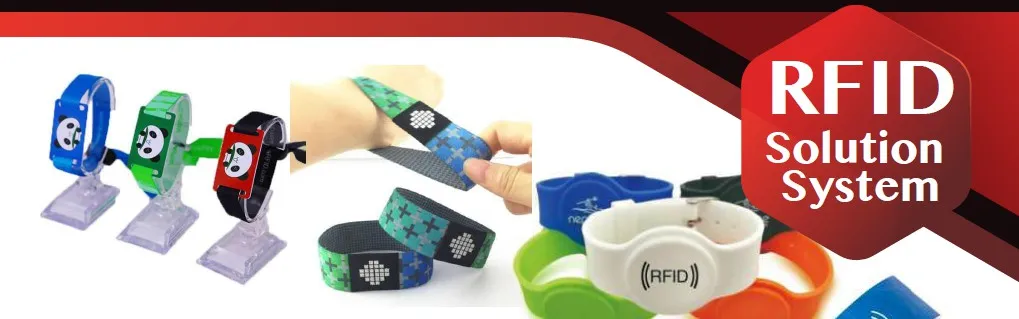
6. Electronic Ticketing and Mass Transit: Contactless smart cards and mobile NFC ticketing simplify expressway tolls, metro train networks, and event admissions, eliminating queue congestion.
RFID was never intended merely to replace barcodes; it solves operational blind spots, eliminates manual human error, and powers the intelligent automation foundational to modern digital enterprises.
