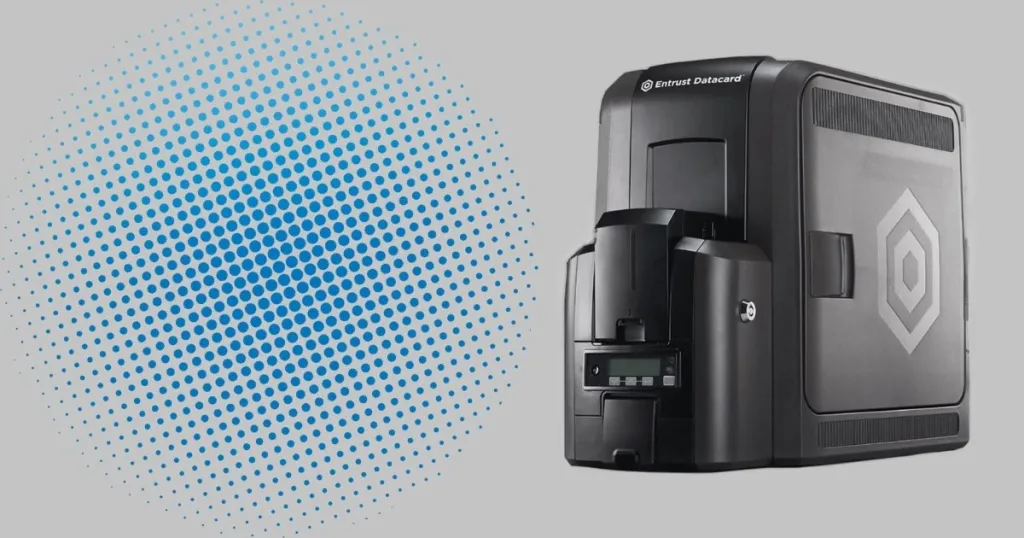
For decades, plastic ID card issuance has relied on standard dye-sublimation thermal ribbons. While effective for basic indoor badges, traditional dye molecules remain susceptible to chemical fading when exposed to sunlight and ultraviolet (UV) radiation. The introduction of Pigment Ink Retransfer Technology marks a major breakthrough in credential manufacturing, delivering unmatched durability, extreme color fastness, and archival longevity.
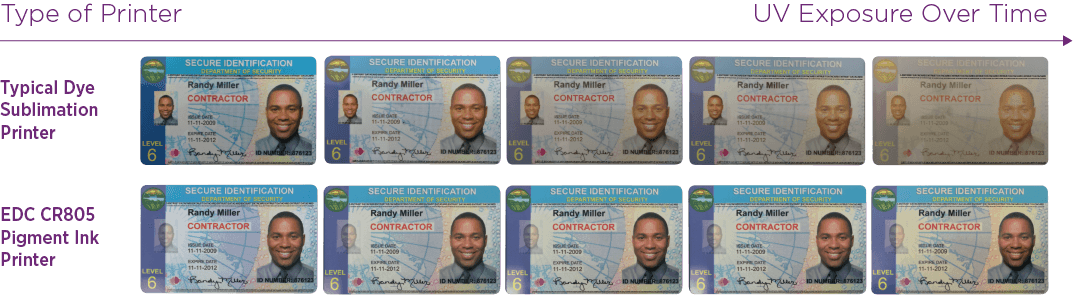
1. Exceptional Color Fastness and Archival Longevity: Unlike dye-sublimation molecules that dissolve into card surfaces, pigment inks utilize solid microscopic color particles that physically encapsulate inside retransfer films. This imparts extraordinary resistance to fading, allowing badges to endure up to six times longer than traditional dye cards without requiring expensive protective overlaminates.
2. Superior UV Sunlight & Environmental Resistance: Personnel working outdoors, airport ramp teams, or drivers who leave company badges on sunny vehicle dashboards often find standard badges faded within months. Pigment ink formulations are inherently immune to harsh UV sunlight and indoor fluorescent bleaching, maintaining crisp corporate branding throughout the card's multi-year lifecycle.
3. Eco-Friendly & Crisp Microtext Definition: Pigment chemistry is water-based and environmentally conscious. The solid particles produce razor-sharp edges without dye bleeding, enabling flawless reproduction of high-density 2D QR codes and security microtext.
While the initial investment in pigment technology appears slightly higher, the drastic reduction in badge re-issuances and printhead longevity yields far superior total cost of ownership (TCO). Explore TOPPAN EDGE's premier lineup of plastic card printers to upgrade your issuance operations.
