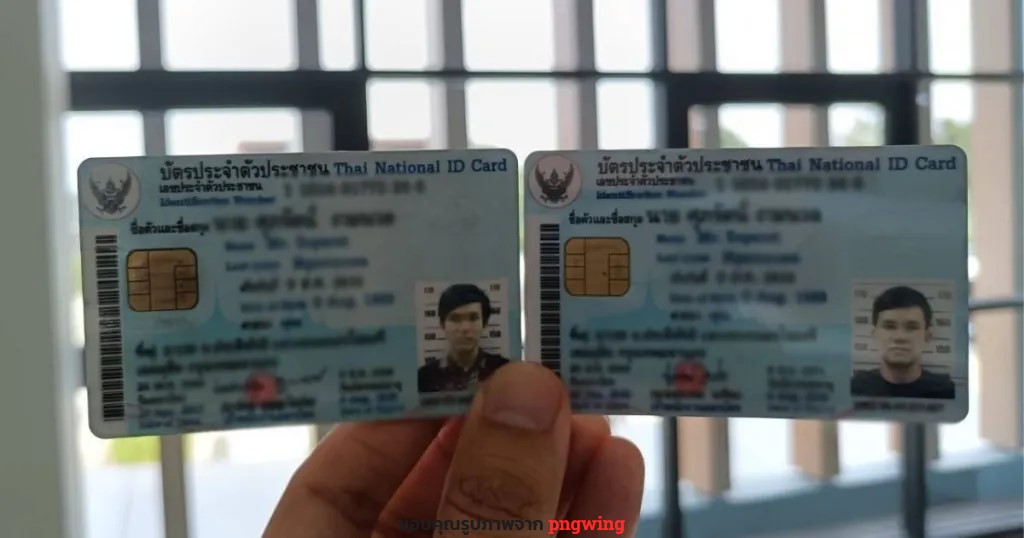
Many organizations and individuals encounter the frustrating problem of premature card deterioration. You might have wondered why national ID cards, student badges, or corporate employee passes fade and peel much faster than those of colleagues—even when both were printed on the exact same date. In tropical, high-temperature climates, cardholders often assume the degradation is unavoidable. However, card longevity is governed by three controllable equipment factors: printer lamination capabilities, raw plastic card quality, and the choice of protective badge holders.
Key Factors for Long-Lasting ID Cards
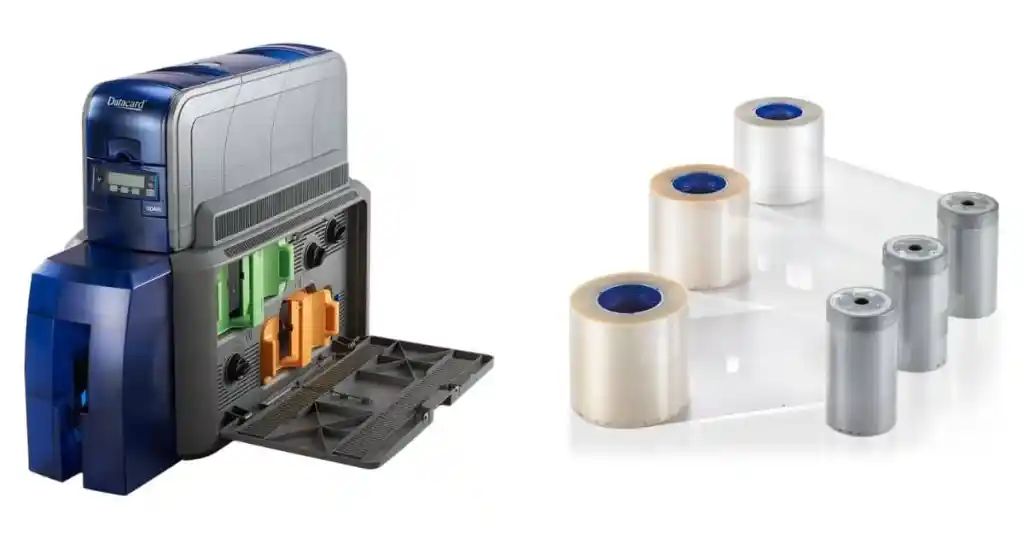
Standard plastic card printers apply a specialized transparent protective layer known as a Topcoat (T-panel) during the final stage of dye-sublimation printing. This overlay seals the printed portrait, text, and graphics, protecting them from everyday friction, surface abrasion, and ultraviolet (UV) radiation.
For organizations requiring maximum durability, printers can be outfitted with an optional Laminator Module. This unit applies a heavy-duty polyester overlaminate (up to 1.0 mil thick) on one or both sides of the card. A laminated card withstands harsh environments up to 3 times longer than standard cards. In addition, laminators support custom security holograms—such as embedded corporate crests or official seals—providing tamper evidence alongside extreme wear resistance.

Premium card longevity begins with pristine PVC raw materials. Blank cards must be sourced from manufacturing facilities certified to ISO 7810 standards. Substandard or expired card stock often features degraded surface resins that fail to bond properly with printer ribbons, leading to premature flaking and image fading within months.
Furthermore, certified blank cards undergo rigorous precision die-cutting and edge de-burring. Cards with rough, raised edges will damage sensitive thermal printheads and introduce uneven print density. Using certified TOPPAN EDGE PVC cards guarantees a mirror-smooth planar surface and uniform dye absorption across every batch.
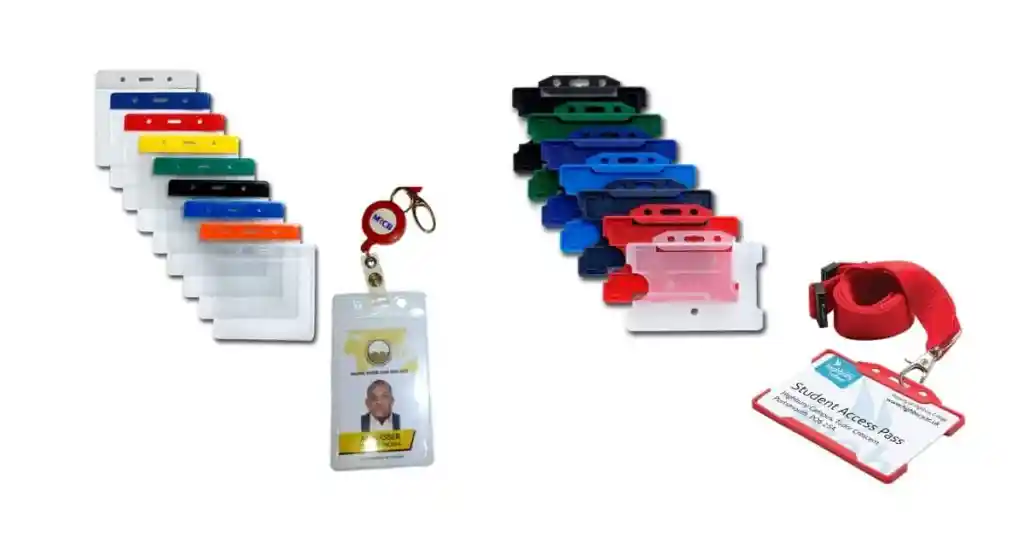
While protective pouches and frames are widespread, their protective properties differ significantly:
• Soft Vinyl Clear Pouches: Flexible pouches provide moisture resistance, but prolonged exposure to direct sunlight and high ambient heat can cause chemical migration between the soft plastic pouch and the card's printed surface, causing text and photos to transfer onto the pouch.
• Rigid Acrylic / Polycarbonate Badge Holders: Hard badge frames grip the card securely along outer bevels without direct surface contact, preventing dye transfer in warm climates. While frequent insertion and removal can scuff outer edges, rigid holders offer vastly superior protection against bending and heat adhesion.
By combining certified card stock, high-performance protective laminates, and suitable badge accessories, your organization can maintain pristine, professional ID cards for years to come.
